

 admin2



History of Rewa (Madhya Pradesh)
The history of Rewa is deeply rooted in the ancient traditions of central India and the royal legacy of the Baghelkhand region. Rewa has played an important role in shaping the political, cultural, and administrative identity of eastern Madhya Pradesh. From ancient settlements and dynastic rule to its role in post-independence India, Rewa’s journey reflects a rich and evolving past.
Ancient History of Rewa
Historical and archaeological references suggest that the Rewa region has been inhabited since ancient times. The area formed part of early central Indian kingdoms and tribal settlements, supported by fertile land, forests, and river systems. Ancient trade routes and cultural exchanges helped Rewa develop as a significant regional center in the Vindhya range.
Rewa and the Baghelkhand Region
Rewa is considered the heart of Baghelkhand, a historical and cultural region of central India. The name Baghelkhand comes from the Baghel Rajput dynasty, which ruled the area for several centuries. Their rule shaped the region’s governance, culture, architecture, and traditions, many of which still influence local life today.
Baghel Dynasty and Princely State of Rewa
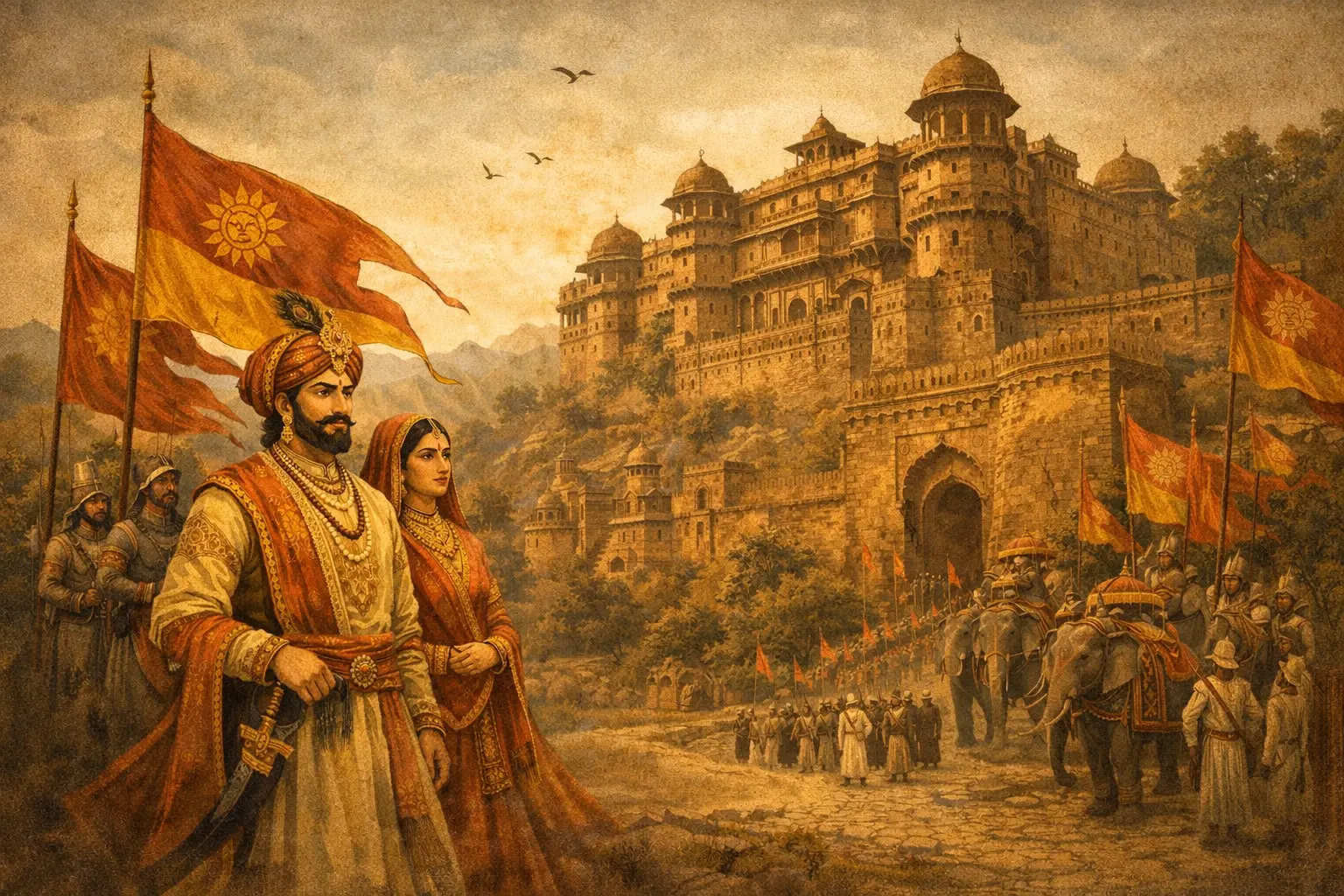
The most prominent chapter in the history of Rewa began with the establishment of the Rewa princely state under the Baghel rulers. The Baghel dynasty governed Rewa with relative autonomy during different periods, including the era of British rule in India.
The rulers of Rewa were known for:
-
Administrative organization
-
Patronage of culture and arts
-
Development of towns, forts, and palaces
Rewa became one of the important princely states in central India during this period.
Rewa During British Rule
During British India, Rewa remained a princely state under indirect British administration. While internal governance was managed by the royal family, external affairs were influenced by the British government. This period brought administrative changes, new infrastructure, and modern systems of governance, while traditional royal authority continued within the state.
Vindhya Pradesh and Rewa
After India’s independence in 1947, Rewa gained special importance when it became part of Vindhya Pradesh, a former state of India.
Rewa served as the capital of Vindhya Pradesh from 1948 to 1956, making it a major political and administrative center during this period.
In 1956, Vindhya Pradesh was merged into Madhya Pradesh, and Rewa became a district headquarters within the newly formed state.
White Tiger Legacy of Rewa
One of the most globally recognized historical contributions of Rewa is its connection to the white tiger. In 1951, a white tiger cub named Mohan was captured in the forests of the Rewa region by Maharaja Martand Singh of Rewa. This event placed Rewa on the world map and established its long-lasting association with white tigers.
Cultural and Historical Identity
The history of Rewa is not limited to rulers and administration. It lives on through:
-
Bagheli language and folk traditions
-
Religious practices and festivals
-
Historic lakes, forts, and temples
-
Oral histories passed through generations
These elements together form the living heritage of Rewa.
Modern Rewa
Today, Rewa stands as an important city and district of Madhya Pradesh, balancing historical legacy with modern development. While infrastructure, education, and industry continue to grow, the city still preserves its historical identity rooted in Baghelkhand culture and royal history.
Why the History of Rewa Matters
Understanding the history of Rewa helps explain:
-
The cultural diversity of the Vindhya region
-
The administrative importance of the city
-
Its unique wildlife legacy
-
The strong local identity of its people
This makes Rewa not just a place on the map, but a region with a meaningful historical journey.